Herb Garden Fresh Homemade Mayonnaise
Highlighted under: Nutritious Food Recipes
Discover the vibrant flavors of fresh herbs in this delightful homemade mayonnaise recipe, perfect for enhancing your sandwiches, salads, and dips.
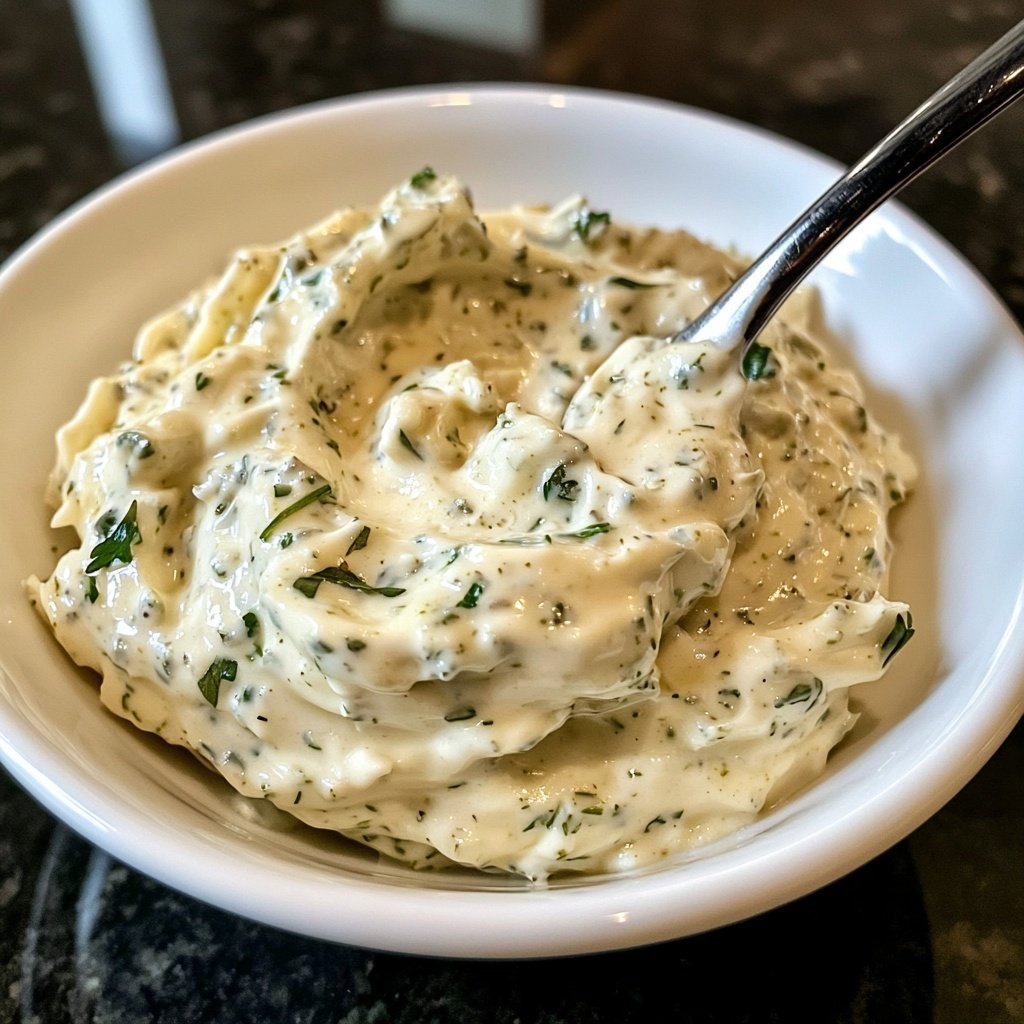
This herb garden fresh homemade mayonnaise is a game changer for your culinary creations. Bursting with the flavors of fresh herbs, it's a simple yet impressive addition to any meal.
Why You Will Love This Recipe
- Fresh and vibrant herb flavors elevate any dish
- Easy to make with simple ingredients
- A healthier alternative to store-bought mayonnaise
The Magic of Homemade Mayonnaise
Homemade mayonnaise is not just a condiment; it’s an experience that transforms your everyday meals. When you make mayonnaise from scratch, you control the ingredients, ensuring a fresher taste and a healthier option than many commercial varieties. This recipe allows you to explore the rich, creamy texture that only freshly made mayonnaise can offer. Plus, it’s a great way to impress guests with your culinary skills!
One of the best aspects of making your own mayonnaise is the versatility it offers. You can customize the flavor profile by experimenting with different herbs and spices, making it a truly unique condiment. Whether you prefer a classic version or one infused with vibrant herbs, homemade mayonnaise can match your culinary creativity. The options are endless, and each batch can be a new adventure in flavor.
Choosing the Right Herbs
The choice of herbs can significantly influence the taste of your mayonnaise. Fresh basil adds a sweet, aromatic flavor, while parsley provides a mild, grassy note. Chives lend a subtle onion flavor, making them a perfect addition for those who enjoy a bit of zing. Don't hesitate to mix and match herbs to create a blend that suits your palate. Consider seasonal herbs to keep your mayonnaise fresh and exciting throughout the year.
When selecting herbs, always opt for fresh ones over dried. Fresh herbs have a more vibrant flavor and aroma, which will enhance the overall quality of your mayonnaise. If you have an herb garden, this is the perfect opportunity to utilize your homegrown bounty. Not only will your mayonnaise taste better, but it will also be a reflection of your gardening efforts.
Storage and Usage Tips
Proper storage of your homemade mayonnaise is essential for maintaining its freshness. After preparing your mayonnaise, transfer it to a clean, airtight container and store it in the refrigerator. It should remain good for up to one week. Always use a clean spoon when scooping out the mayonnaise to prevent contamination, which can shorten its shelf life.
This mayonnaise is incredibly versatile and can be used in various dishes. Spread it on sandwiches and wraps for added creaminess, mix it into salads for a rich dressing, or use it as a base for dips and sauces. The possibilities are endless! Consider using it in potato salads or coleslaw for a delightful twist, or simply enjoy it with fresh vegetables as a dip.
Ingredients
Gather these fresh ingredients to make the perfect mayonnaise:
Ingredients
- 1 large egg at room temperature
- 1 tablespoon Dijon mustard
- 1 tablespoon white wine vinegar
- 1 cup vegetable oil
- Salt to taste
- Fresh herbs (such as basil, parsley, or chives) to taste
Once you have gathered all the ingredients, you're ready to make your mayonnaise!
Instructions
Follow these simple steps to create your homemade mayonnaise:
Blend the Base
In a tall jar or a mixing bowl, combine the egg, Dijon mustard, and white wine vinegar. Use an immersion blender to mix until smooth.
Add Oil Slowly
With the blender running, slowly drizzle in the vegetable oil until the mixture emulsifies and thickens.
Season and Flavor
Add salt to taste and chopped fresh herbs, blending until well combined.
Store
Transfer the mayonnaise to a clean jar and store in the refrigerator for up to one week.
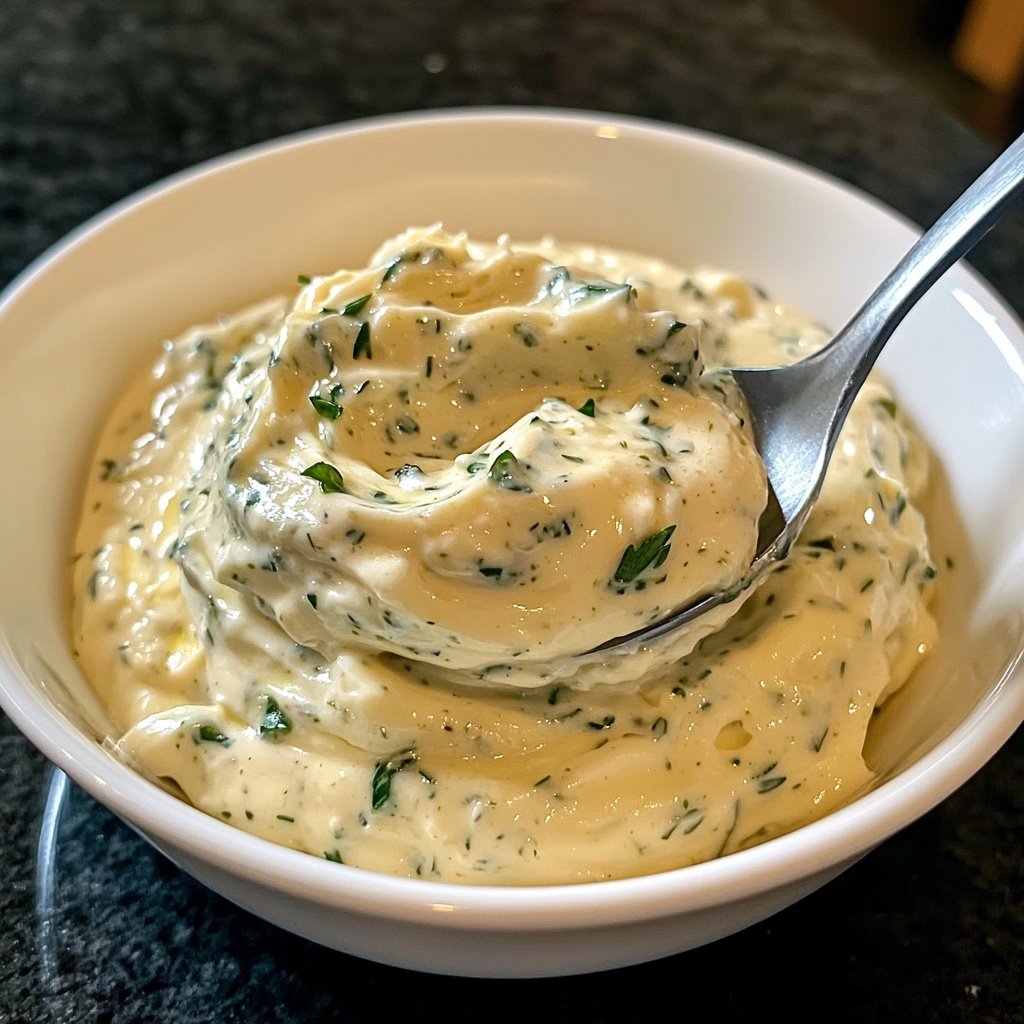
Your homemade herb mayonnaise is now ready to enjoy!
Pro Tips
- For a flavor twist, try adding garlic or lemon juice to your mayonnaise for an extra zing.
Nutritional Benefits
Homemade mayonnaise not only tastes better but can also be a healthier choice compared to store-bought options. By making it yourself, you can avoid preservatives and artificial ingredients commonly found in commercial mayonnaise. You also have control over the type and quality of oil used, allowing you to choose healthier options such as olive oil for a boost in omega-3 fatty acids.
Eggs, the main ingredient in mayonnaise, are a great source of protein and essential fatty acids, contributing to a balanced diet. Additionally, when you incorporate fresh herbs, you’re adding vitamins, minerals, and antioxidants, making this homemade condiment not just delicious but nutritious too.
Troubleshooting Common Issues
Sometimes, homemade mayonnaise can be tricky to get right. If your mayonnaise doesn’t emulsify and remains runny, it may be due to the oil being added too quickly. Be patient and drizzle the oil slowly while blending to allow the mixture to thicken. If it fails to thicken, you can try adding another egg yolk and blending again, which often helps salvage the mixture.
If your mayonnaise tastes too tangy, consider adjusting the acid levels by adding more oil to balance the flavors. Taste as you go, and don’t hesitate to tweak the recipe to suit your preferences. Remember, cooking is all about experimenting and finding what works best for you!
Questions About Recipes
→ Can I use olive oil instead of vegetable oil?
Yes, but note that olive oil will give your mayonnaise a stronger flavor.
→ How long does homemade mayonnaise last?
It can be stored in the refrigerator for up to one week.
→ Can I use a whisk instead of an immersion blender?
Yes, but it may require more effort to achieve a thick consistency.
→ What types of herbs work best in this mayonnaise?
Basil, parsley, chives, and dill are all great choices!
Herb Garden Fresh Homemade Mayonnaise
Created by: The Foodspherehub Team
Recipe Type: Nutritious Food Recipes
Skill Level: Beginner
Final Quantity: 1 cup
What You'll Need
Ingredients
- 1 large egg at room temperature
- 1 tablespoon Dijon mustard
- 1 tablespoon white wine vinegar
- 1 cup vegetable oil
- Salt to taste
- Fresh herbs (such as basil, parsley, or chives) to taste
How-To Steps
In a tall jar or a mixing bowl, combine the egg, Dijon mustard, and white wine vinegar. Use an immersion blender to mix until smooth.
With the blender running, slowly drizzle in the vegetable oil until the mixture emulsifies and thickens.
Add salt to taste and chopped fresh herbs, blending until well combined.
Transfer the mayonnaise to a clean jar and store in the refrigerator for up to one week.
Extra Tips
- For a flavor twist, try adding garlic or lemon juice to your mayonnaise for an extra zing.
Nutritional Breakdown (Per Serving)
- Calories: 150 kcal
- Total Fat: 16g
- Saturated Fat: 2g
- Cholesterol: 37mg
- Sodium: 90mg
- Total Carbohydrates: 1g
- Dietary Fiber: 0g
- Sugars: 0g
- Protein: 1g